












What Most Organizations Get Wrong About "The Disney Experience"
Walt Disney once said, "I only hope that we never lose sight of one thing — that it was all started by a mouse." What began in 1928 with a sketch of Mickey became the most beloved entertainment brand in history — a company that built entire worlds around characters. Understanding how Disney did that is key to understanding why so many organizations struggle to replicate Disney's experience.
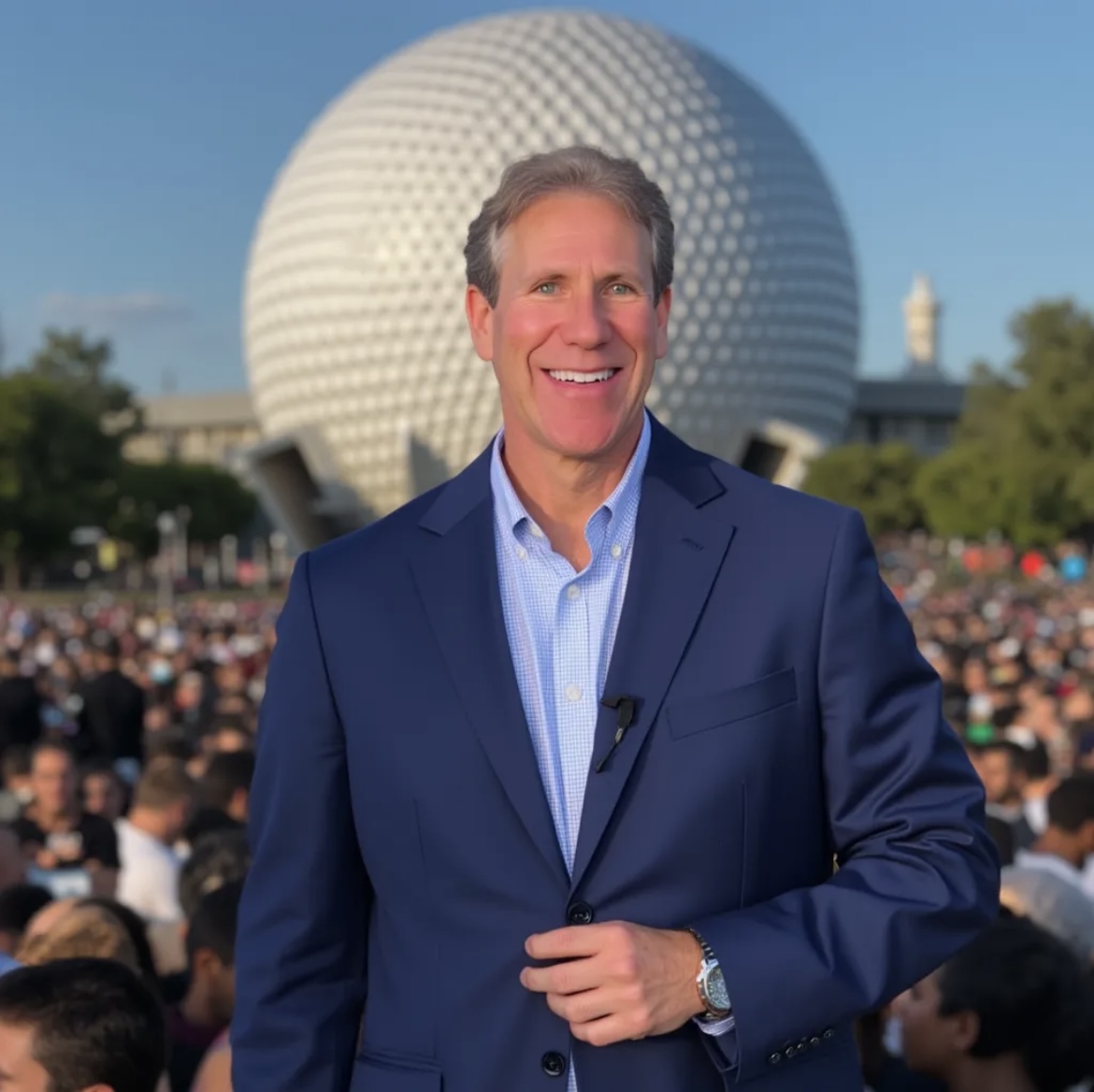
I spent nearly fifteen years at The Walt Disney Company — including time as Production Executive at Walt Disney Imagineering. It was the most formative period of my business career. Since Disney, I've directed global digital marketing at GE Healthcare, led Customer Experience at Cisco for enterprise clients including United Airlines, and led Global Customer and Digital Experience at Dentsply Sirona. But Disney shaped how I see everything — it's the lens I've used with every organization since.
In nearly every engagement — Fortune 500 company, airline, resort, or hospital system — someone says the same thing: "We want to be the Disney of our industry."
I admire the ambition. But most organizations fundamentally misunderstand what makes Disney's experience magical.
It starts with worldview — rooted in language.
Disney doesn't have customers. They have guests. Disney doesn't have employees. They have cast members. That's not branding. That's an orientation shaping everything — how people are hired, trained, and how they think about their role. When you call someone a cast member, you're telling them their role in the show matters.
Everything is built around story.
At Disney, every attraction and guest experience is carefully storyboarded. Everything is organized around telling great stories and producing shows where guests are surrounded by narrative in fully immersive experiences. This is what we accomplished with "Honey, I Shrunk the Audience" — a 3D attraction I served as Production Executive on at Walt Disney Imagineering. The guest doesn't just watch the story. The guest is inside the story as it unfolds.
Brand standards are non-negotiable.
At Disney, it's not just the art — it's the voices, the behavior, every detail. You will never see a beloved Disney character in the parks with their headpiece off, or speaking in a voice that would destroy the illusion. That discipline protects the magic. It preserves the bridge between Disney's animation legacy and real-world incarnations of those characters in theme parks. Most organizations have brand guidelines. Disney has brand conviction.
Infrastructure is invisible — by design.
Beneath the Magic Kingdom lies an entire network of tunnels called utilidors — utility corridors allowing cast members, supplies, and waste to move throughout the park completely out of guests' sight. Hidden entrances and exits are woven throughout every park. If there's a problem, it can be addressed and removed from view quickly — without breaking the illusion. Walt insisted on this after seeing a cowboy-costumed cast member walking through Tomorrowland at Disneyland. That single moment inspired an engineering marvel. The guest never sees the machinery. They only experience the magic.
The experience extends well beyond parks.
Disney operates world-class resorts, a cruise line, and restaurants — on Disney properties, at stand-alone locations, and at sea — all designed to feel like seamless extensions of the same magical experience. Disney's former Magical Express let resort guests skip baggage claim entirely — luggage tags were mailed in advance, bags were pulled from airport carousels by Disney, and appeared in hotel rooms. Guests walked off planes onto Disney buses, and vacations began immediately. Though paused in 2022, Disney has been piloting its return. MagicBand wristbands let guests tap through park entry, hotel room doors, and purchases with a single device. These aren't just conveniences. They're deliberate experience design choices reducing friction, maintaining immersion, and extending magic across every touchpoint. That integrated, end-to-end thinking separates truly great experiences from merely good ones.
So what do others get wrong?
They make cosmetic and surface-level changes to existing paradigms. They create "Customer Experience" departments, give modest budgets, and expect transformation — while the rest of the organization carries on as before. But customer experience isn't a department. It's a muscle that needs developing and integrating across the entire organization — through proper training, meaningful measurement, and aligning incentives. And they forget that employee experience drives customer experience. You cannot deliver world-class experiences with disengaged workforces that don't understand or buy into the organization's mission, brand, or raison d'être.
The real lesson isn't copying anyone's playbook.
It's doing what the best organizations actually do: align your mission around delivering compelling stories and experiences that back them up. Build, train, and reward cultures that support and deliver that experience at every touchpoint. Then build systems and infrastructure that surround and reinforce all of the above so seamlessly that organizations deliver unified and flawless experiences, where component service elements and coordination efforts are never visible to guests or customers.
Consistency alone isn't enough. Many organizations deliver consistent experiences — but consistency without depth, craft, immersion, and emotional resonance doesn't command loyalty or premiums. The best organizations create experiences that are consistent and immersive, emotionally resonant, and built on levels of care most others never attempt. The difference isn't just in what customers see. It's in everything they don't — by design.
That's what most organizations get wrong. And that's what I help organizations in travel, leisure, hospitality, healthcare, and other industries define, create, and improve. If I can help you — or if you'd simply like to connect — I'd welcome the conversation.